Best hotels in Lisbon by neighborhood
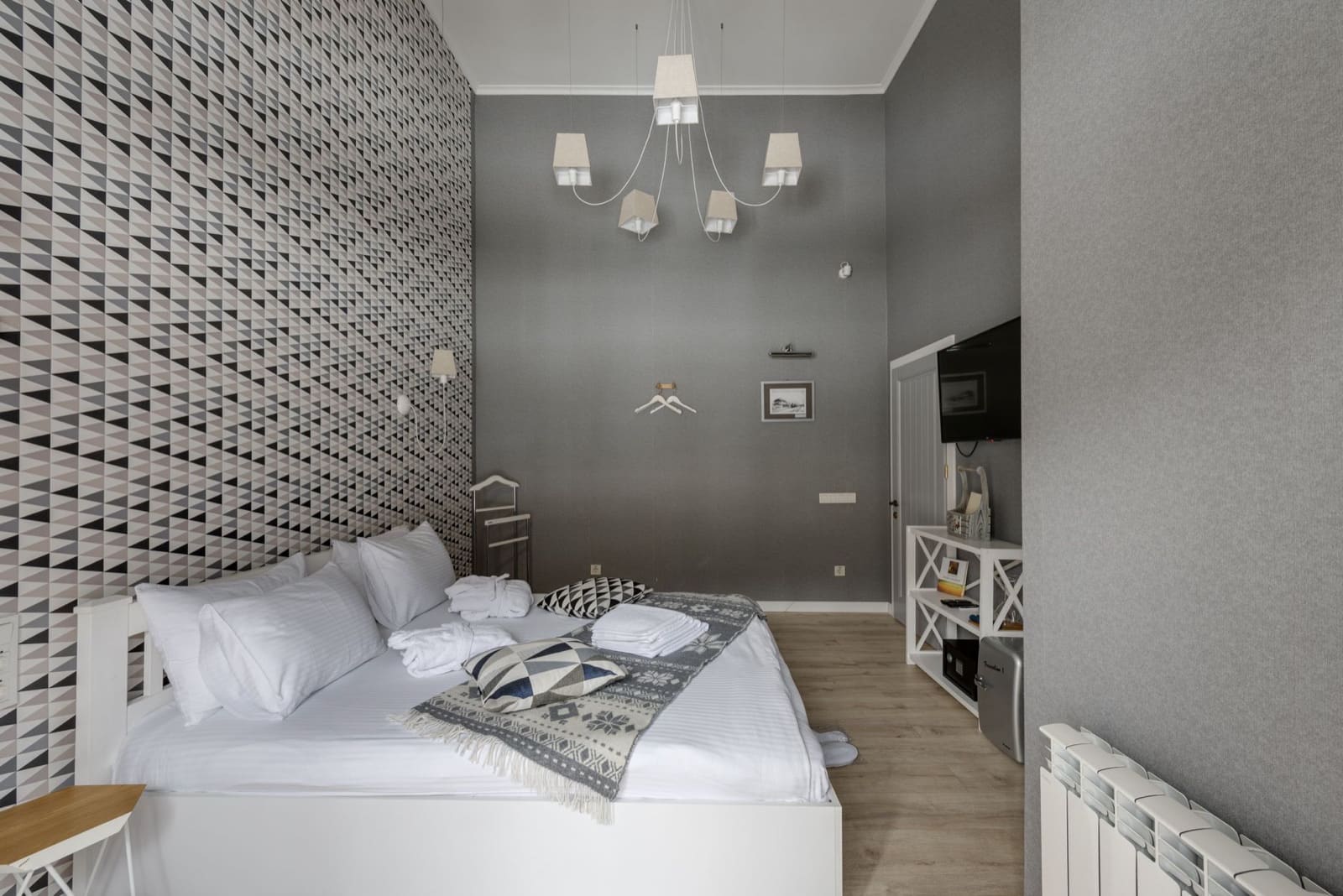
To choose the best neighborhood to stay in Lisbon, match your base to your walking stamina and sightseeing goals. For a standard 2-to-4-day city break, the central grids of Chiado and Baixa are the most practical hotel hubs. If you prefer a calmer, local boutique vibe with exceptional dining, focus your search on the hilltop enclave of Príncipe Real.
Which Lisbon neighborhood fits your travel style?
| Trip style | Sleep here | Why |
|---|---|---|
| First visit, 3 days | Chiado / Baixa | Walk to anchors, metro/elevators nearby |
| Atmosphere nights | Alfama edge (not deepest dead-end lanes) | Character without impossible luggage |
| Food + design shops | Príncipe Real | Calmer evenings, strong dining |
| Nightlife adjacent | Bairro Alto edge / Cais do Sodré | Fun — check recent reviews for noise |
| Quiet modern base | Parque das Nações | Metro in, less old-town charm |
| Monument morning | Belém only if Belém-heavy plan | Far from Alfama evenings |
Is Baixa the best choice for first-timers?
Good for: Flat grid navigation, first-timers, and swift 20-minute direct metro connections from Lisbon Airport via the Red Line. A taxi or ride-share from the airport costs roughly €10 to €15 into the city center.
Watch for: High tourist density and older properties with weak air conditioning during peak summer.
Look for: Upper-floor rooms positioned away from Rua Augusta’s pedestrian foot traffic. Insist on properties with elevators if you have heavy luggage.
Verdict: Baixa is the most convenient starting base for first-time visitors.
Why is Chiado the ultimate all-rounder?
Good for: Walk-everywhere convenience, historic cafés, theaters, and immediate access to the Baixa-Chiado metro station. It acts as the perfect hinge between downtown shopping and the nightlife of Bairro Alto.
Watch for: Steep uphill climbs if you are approaching on foot from the riverfront. On-board tram tickets cost €3.30, and funiculars cost €4.30, so utilize a pre-loaded transit pass.
Look for: Double-glazed windows and modern soundproofing to combat late-night street noise.
Verdict: Chiado offers the best blend of walkability, transit options, and upscale dining.
Is Alfama worth the steep climbs?
Good for: Panoramic river views, atmospheric fado taverns, and romantic labyrinthine alleys.
Watch for: Slippery cobblestones, zero vehicle access on narrow lanes, and variable Wi-Fi. Transit Alert: The Santa Apolónia metro station on the Blue Line (at Alfama’s base) is fully closed for drainage tunnel construction from July 2026 through April 2027. Travelers staying in deep Alfama must walk from Terreiro do Paço or use surface buses.
Look for: Properties strictly located near a miradouro (viewpoint) or a main road, rather than deep in a dead-end staircase.
Verdict: Alfama offers unmatched historic charm but requires steep climbs with luggage.
Why choose Príncipe Real and nearby?
Good for: Couples, slow-paced city breaks, boutique design hotels, and highly rated local dining. It sits slightly uphill from the main tourist fray.
Watch for: A steep 15-minute walk down to the Baixa core, meaning you will rely more on buses or taxis at the end of the night.
Look for: Rooms with views of the botanical gardens or quiet interior courtyards.
Verdict: Príncipe Real is the premier choice for design-forward boutique hotels and creative dining.
Is Cais do Sodré or Santos right for nightlife?
Good for: Riverside runs, trendy brunch spots, and quick access to the CP train line heading to Cascais (a 40-minute journey that is free with the Lisboa Card). It is also home to the famous Time Out Market.
Watch for: Intense weekend bar crowds and street noise, especially around the “Pink Street” area.
Look for: Modern hotels with double-glazed windows and recent reviews confirming silent rooms.
Verdict: Cais do Sodré is ideal for energetic travelers who want easy seaside day trips.
When does staying in Belém make sense?
Good for: Monument-heavy plans, spacious family-friendly suites, and a breezy maritime feel.
Watch for: Isolation from the central nightlife and evening fado spots. You must ride the E15 tram to travel the 6 km into central Lisbon.
Sights Update: The famous Belém Tower reopened on May 27, 2026, after a year-long restoration. It now operates on a strict timed-entry system capped at 900 visitors per day (max 60 entries every 30 minutes), meaning advance booking is non-negotiable.
Only book here if: Day 1 or Day 2 of your itinerary is heavily focused on the cloisters of the Jerónimos Monastery (open Tuesday–Sunday, cloisters €18) and you prefer waterfront quiet.
Verdict: Stay in Belém only if you want a relaxed, monument-focused pace away from the city center.
How do you filter by budget, midrange, or splurge?
- Budget: Prioritize properties near a metro station (such as Saldanha or São Sebastião) to avoid expensive transit. A standard 24-hour Carris/Metro transit pass costs €7.25, while a reusable Navegante occasional card costs €0.50. You can also pay directly at fare gates using a contactless bank card for €1.92 per ride. Read more on Lisbon on a budget.
- Midrange: Look for 3-to-4-star hotels in Baixa or Chiado. Ensure they include air conditioning (essential in summer when temperatures frequently exceed 30°C).
- Splurge: Pay for prime hillside views or soundproofed boutique setups in Príncipe Real or Avenida da Liberdade. Note that the iconic Calouste Gulbenkian Museum reopened on July 18, 2026, following an 18-month restoration—splurge hotels nearby provide quick access to its world-class art collections.
- Tourist Tax: Every visitor to Lisbon aged 13 and over must pay a municipal tourist tax of €4 per person, per night (capped at a maximum of 7 nights, or €28), which is charged at check-out.
What is on the essential booking checklist?
- Map the hotel’s physical address to your intended dinner neighborhood to avoid uphill climbs late at night.
- Confirm elevator presence in historical properties. Many guesthouses in Alfama and Bairro Alto lack them.
- Ensure the hotel has active air conditioning (not just a “room fan”) if visiting between June and September.
- If planning extensive sightseeing, calculate if a Lisboa Card is worth it. For 2026, the official 24-hour card costs €31, the 48-hour card is €51, and the 72-hour card is €62. It provides free transit (including trains to Sintra and Cascais) and free entry to 51 monuments.
- Read the last 3 months of reviews—hotel management and local construction noise in Lisbon change rapidly.