Cape Town city guide — mountain, ocean, city
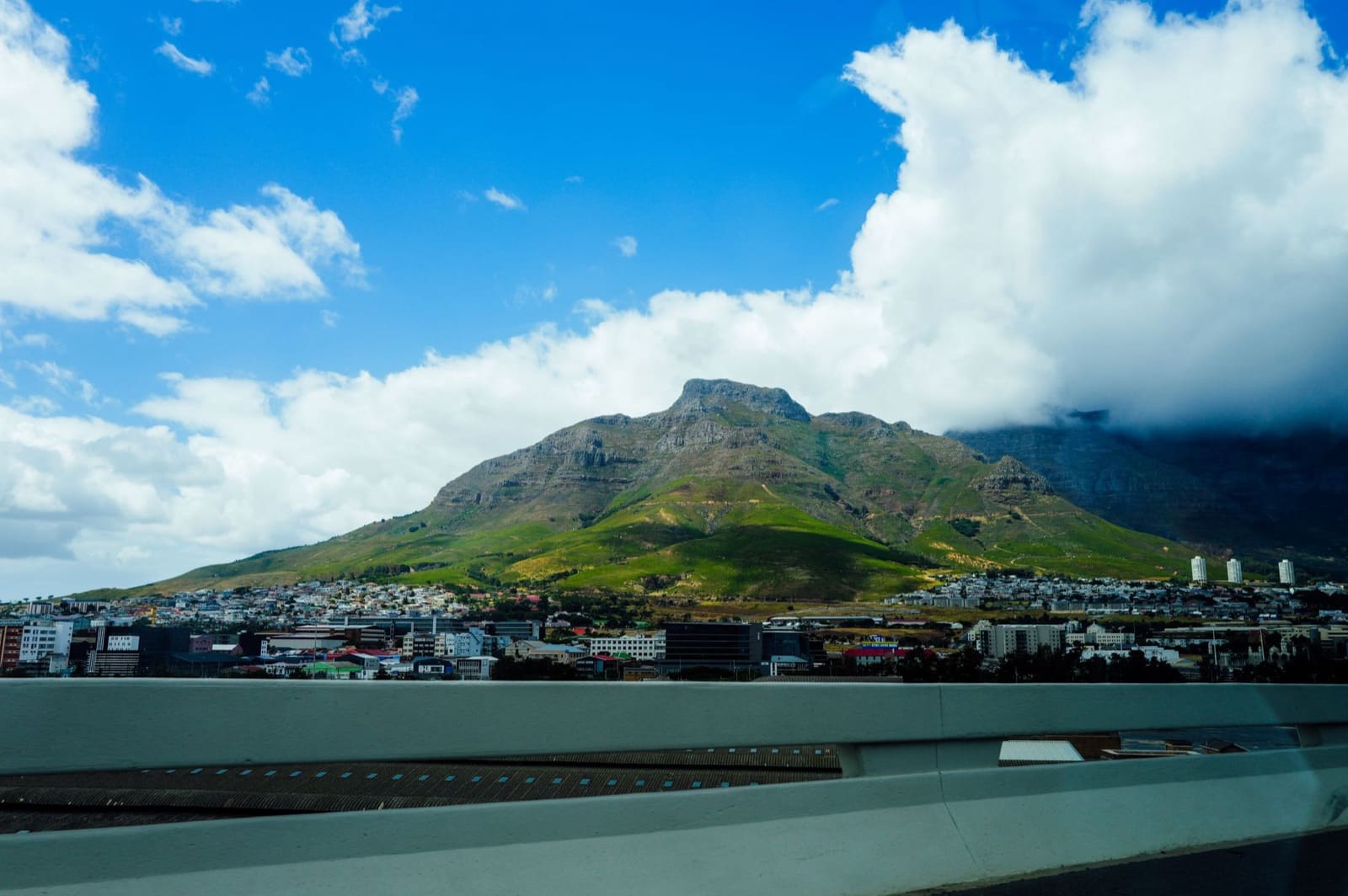
Cape Town is a world-class destination combining dramatic coastal scenery, mountainous outdoor adventures, and a sophisticated food scene. Planning a successful 2-to-4 day city break requires aligning your activities with mountain weather windows and choosing safe neighborhoods for walking. By balancing iconic high-altitude sights with secure urban hubs, travelers can safely maximize a short stay.
Is Cape Town right for your trip?
Yes, if you want: Majestic natural drama, hiking, fine dining, and coastal drives.
Think twice if: You cannot tolerate volatile weather shifts or require a highly integrated, pedestrian-safe transit system across the entire city.
Typical stay: A 3-to-4 day trip is the ideal duration to capture the core city sights, with an extra day needed for a full Cape Peninsula loop.
Which neighborhoods should you stay in?
| Area | Best for | Trade-off |
|---|---|---|
| V&A Waterfront & Green Point | Maximum security, 24/7 walking, tours | Premium hotel prices, highly touristy feel |
| Sea Point & Atlantic Seaboard | Ocean promenade, local cafés, beach vibe | Exposed to heavy wind, older apartments |
| Gardens & City Bowl | Leafy streetscapes, Kloof Street dining | No beach, requires Uber rides after dark |
| Woodstock & CBD | Hip eateries, street art, galleries | Elevated crime risk; avoid walking at night |
Green Point and Sea Point offer the most balanced combination of safety, walkability, and local lifestyle for short-stay travelers. Always choose your accommodation pocket based on night walkability, because street crime rises sharply in unlit areas.
How should you structure your Cape Town itinerary?
- Prioritize the mountain weather window: The Table Mountain Aerial Cableway operates year-round (weather permitting), but strong winds or cloud cover (“the Tablecloth”) can shut down operations with zero warning. In 2026, adult return tickets cost R475 online (or R530 at the gate) and R1,200 for priority Fast Track. Check the live cableway status first thing in the morning and go immediately if it is clear.
- Note for 2026 travelers: The Cableway is closed for its annual maintenance shutdown from July 27 to August 9, 2026. During this two-week window, all summit facilities are closed, and hikers must descend on foot.
- Build in solid bad-weather backups: If gale-force winds ground the cableway, pivot immediately to indoor landmarks. The Zeitz MOCAA in the Silo District is a world-renowned contemporary African art museum housed in a repurposed grain silo (daily admission is R265; open daily 10:00 AM to 6:00 PM). Alternatively, tour the historic District Six Museum or explore the indoor food halls of the V&A Waterfront.
- Book Robben Island well in advance: Tickets to the Nelson Mandela prison tour on Robben Island cost R600 for international adults (R310 for children) and depart from the Nelson Mandela Gateway at the V&A Waterfront. Tours run at 09:00, 11:00, 13:00, and 15:00 and take roughly 4 hours. Because ferry capacities are strictly capped, book your slot at least 2 to 3 weeks in advance.
- Dedicate one day to the Cape Peninsula loop: Rent a car or book a guided tour to tackle Chapman’s Peak Drive (a stunning toll road costing R66 per light vehicle), visit the penguin colony at Boulders Beach (SANParks entry is R245 for international adults, R120 for children), and reach Cape Point (entry R515 for international adults).
What are the essential practical tips for visitors?
- Airport Transfers: Cape Town International Airport (CPT) sits 20km east of the CBD. An Uber or Bolt to the city center costs R150 to R250 and takes 20 to 35 minutes depending on traffic. Alternatively, the MyCiTi A01 Airport bus runs to the Civic Centre in the CBD. Single-trip cards cost R90 to R100 at the airport terminal kiosk, while a plastic
myconnectsmartcard costs R40 (excluding distance-based fares, which increased significantly on July 1, 2026). - Go Cashless: Virtually all major venues, toll plazas, and national park gates—including Chapman’s Peak, Cape Point, Kirstenbosch Botanical Garden (R270 entry for international adults), and Boulders Beach—are completely cash-free. As of 2026, Chapman’s Peak requires contactless chip-and-pin/EMV cards or mobile payment devices; magnetic stripe swipes are no longer supported.
- Safety Guidelines: Never walk down unlit streets after dark, even for short distances; use rideshares instead. Lock car doors and keep valuables completely out of sight on the floor or in the trunk when driving. When hiking Table Mountain or Lion’s Head, always trek in groups and avoid solo routes.
Related on Cityleg
- Most beautiful cities — full shortlist
- How to plan a city trip
- Lisbon — our first full cluster (itinerary, hotels, day trips, budget)
Next step
- Choose a base area from the neighborhood table (Sea Point or Green Point are highly recommended).
- Check the live weather status of the Table Mountain Aerial Cableway before finalizing your daily itinerary.
- Align your budget and structure using our structured Lisbon 3-day itinerary as a blueprint.