Most beautiful cities in the world for a city break
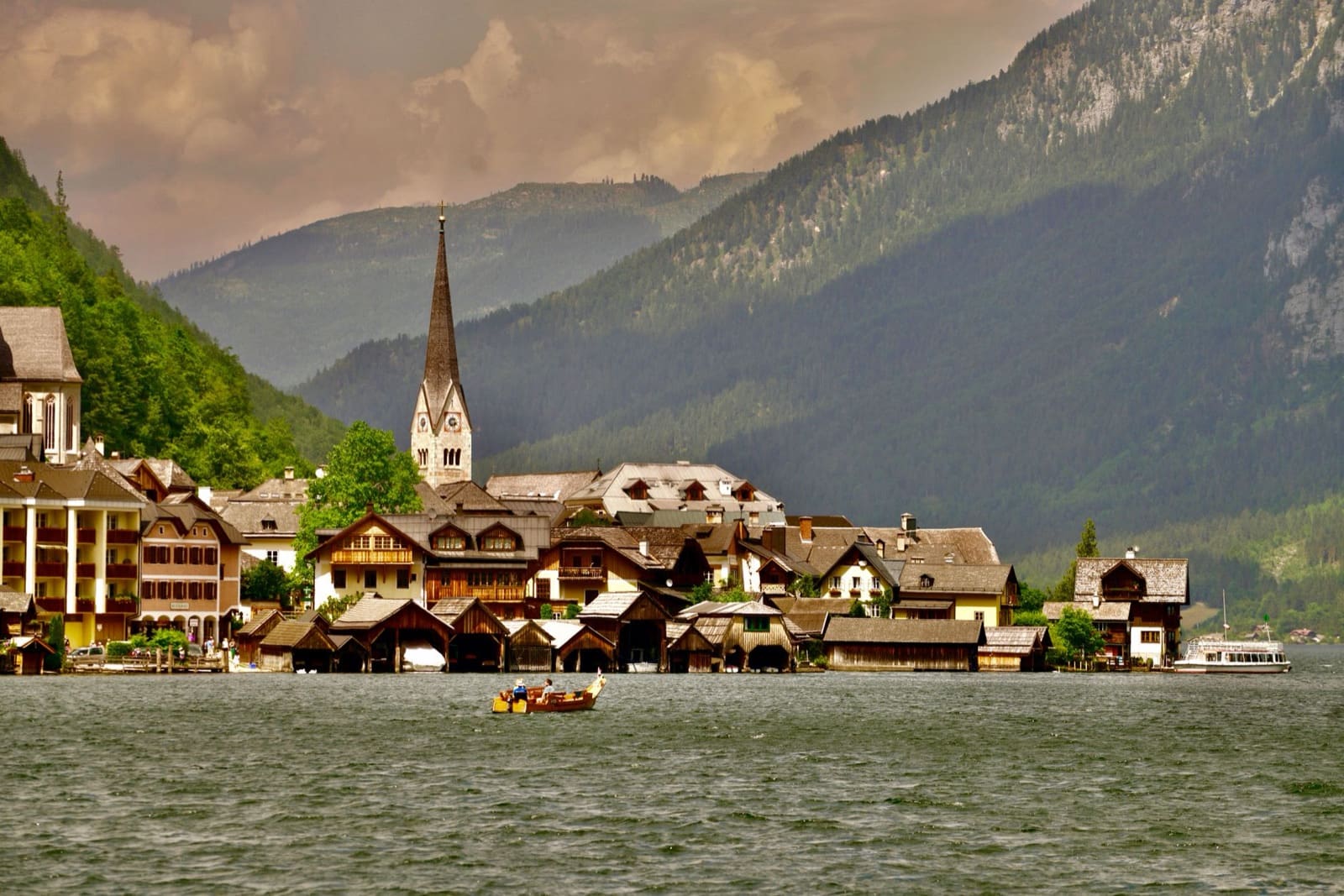
The most beautiful cities for a short city break are those that pair visual drama with tight walkability, allowing you to experience their architecture and neighborhood life on foot within two to four days. Destinations like Paris, Venice, and Kyoto earn their spots not just through landmark aesthetics, but because their compact urban layouts require zero car travel for a rewarding long weekend. To plan an efficient trip, travelers must prioritize localized neighborhood bases rather than trying to cover sprawling city limits.
This is our working shortlist — not a beauty contest final. Each city has a full hub guide.
Which beautiful cities make the shortlist?
| City | Why it makes the cut | Best for | Start here |
|---|---|---|---|
| Paris | River light, arrondissements, density of beauty | First Europe trip, food + museums | Paris guide |
| Rome | Layers of history in walkable cores | Ancient + evening piazzas | Rome guide |
| Barcelona | Architecture, sea, neighborhoods | Design lovers, longer days | Barcelona guide |
| Venice | Unique urban fabric (and real crowds) | Slow mornings, off-main canals | Venice guide |
| Prague | Spans, towers, compact old town | Budget-friendlier Central Europe | Prague guide |
| Amsterdam | Canals, bikes, human scale | Short breaks, museums | Amsterdam guide |
| Florence | Concentrated Renaissance beauty | Art-heavy long weekends | Florence guide |
| Istanbul | Two continents, water, skyline | Big energy, food, views | Istanbul guide |
| Lisbon | Light, hills, miradouros | Atlantic Europe city breaks | Lisbon guide |
| Kyoto | Temples, seasons, quiet lanes | Culture + nature edge | Kyoto guide |
| Cape Town | Mountain-meets-ocean drama | Scenic outdoors + city | Cape Town guide |
| Rio de Janeiro | Setting few cities can match | Beach + viewpoints | Rio guide |
| Edinburgh | Volcanic skyline, stone, festivals | UK long weekend, history | Edinburgh guide |
How did we select these destinations?
In: Cities where a visitor can base one hotel and walk or use simple transit for the highlights.
Out for now: Pure resort islands, car-only wilderness towns, and megacities that need a week just to orient (we may add Tokyo, NYC, Mexico City as multi-hub plans later).
Beauty without a usable city leg is a postcard, not a plan. To see how to arrange an efficient itinerary, read our guide on how to plan a city trip.
What are the tourist taxes and entry fees in 2026?
Many of the world’s most beautiful cities are fighting overtourism with higher local fees. Before booking your next trip, check these current 2026 rates and rules:
- Paris: The tourist tax includes a 200% transit surcharge. Expect to pay €5.53 per person, per night for a 3-star hotel, €8.45 for a 4-star, and €11.70 for a 5-star property.
- Amsterdam: Amsterdam levies Europe’s most expensive tourist tax at 12.5% of the net room price. Combined with the 2026 increase in the Dutch national hotel VAT from 9% to 21%, expect total taxes to consume roughly 33.5% of your base room rate. Amsterdam is Europe’s most heavily taxed city break, meaning travelers should book accommodation far in advance to mitigate steep baseline rates.
- Edinburgh: A new 5% visitor levy officially launched on July 24, 2026. It applies to the cost of all paid overnight stays for up to five consecutive nights.
- Venice: Venice ran its Day-Tripper Access Fee on 60 designated peak days between April and July 2026, charging €5 (booked 4+ days in advance) or €10 (booked late). Expect similar peak-season access regulations to return for 2027. Venice is best enjoyed by staying overnight to bypass day-tripper fees and experience empty early mornings. Overnight guests are exempt from day fees but must still register for a free QR code.
- Barcelona: The municipal surcharge rose to €5.00 per night on April 1, 2026. Depending on the property type, total nightly taxes can range up to €9.50 (plus 10% VAT) for short-term tourist apartments.
- Lisbon: The tourist tax stands at €4.00 per person, per night, capped at a maximum of seven consecutive nights.
- Rome: Rates remain structured by property rating: expect €6.00 per night for a 3-star hotel, €7.50 for a 4-star, and €10.00 for a 5-star (capped at 10 nights). Also note that viewing the Trevi Fountain close-up carries a new €2 entry fee starting February 1, 2026.
- Kyoto: Revised accommodation taxes took effect on March 1, 2026. Nightly taxes range from JPY 200 (for rooms under ¥6,000) up to JPY 10,000 per person for luxury properties costing ¥100,000 or more.
- Istanbul: Buying an anonymous public transport card (Istanbulkart) is mandatory for cheap transit. In 2026, the card costs 165 TL (approx. €4), with individual metro, tram, and bus rides priced at 42 TL (compared to 60 TL for single-use tokens).
Which city fits your travel style?
Soft light and café culture
Paris, Lisbon, Amsterdam, Florence
Drama and skyline
Rio de Janeiro, Cape Town, Istanbul, Edinburgh
Old-world density
Rome, Prague, Venice, Barcelona
Seasonal magic
Kyoto (spring/autumn), Edinburgh (festival vs winter), Venice (acqua alta awareness)
How many days do you need for each city?
| Nights (city only) | Works for |
|---|---|
| 2 | Amsterdam, Florence, Prague (tight) |
| 3 | Lisbon, Barcelona, Edinburgh, Venice |
| 4+ | Paris, Rome, Istanbul, Kyoto, Cape Town, Rio |
Add day-trip buffers separately (Sintra, Vatican already “in city”, Cape Peninsula, etc.).
How to use this list
- Pick one primary city for this trip — multi-city beauty tours burn out.
- Open that city’s hub: neighborhoods first, then hotels.
- Build a 2–4 day skeleton (one anchor per half-day).
- Book flights around arrival energy, not just price.
Booking
Hotel and package bookings are best secured directly or through trusted global providers to secure guaranteed reservations. In highly popular cities, reserving timed tickets for top attractions at least 4 to 6 weeks in advance is essential to avoid being locked out.