Florence city guide — concentrated beauty
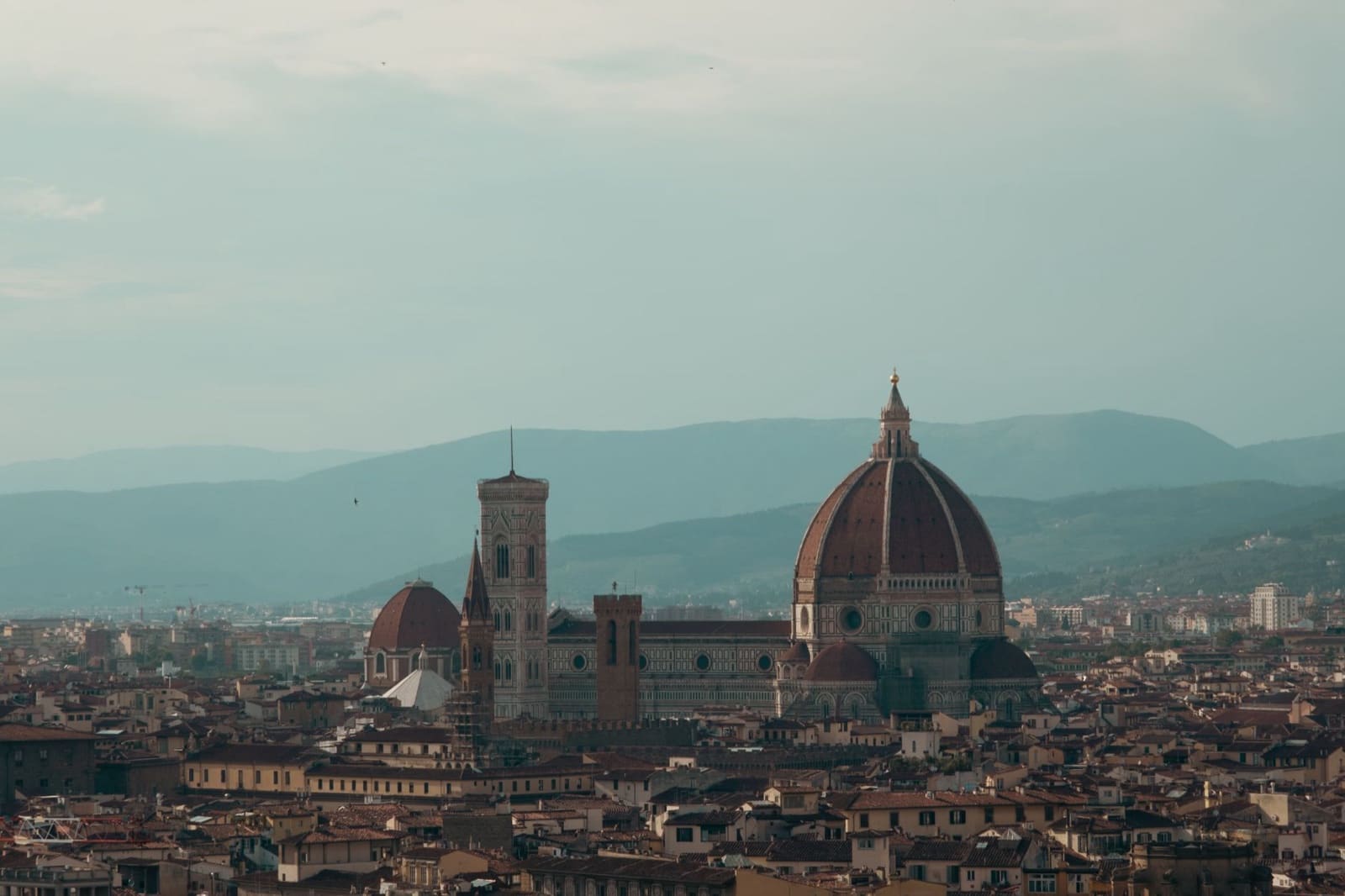
Planning a successful Florence city break requires securing high-demand gallery entries weeks in advance and choosing a base that lets you walk everywhere. For a standard two-to-three-day stay, you should book timed tickets for the Uffizi and Accademia before arrival and focus on one central landmark per half-day. This tactical approach avoids hours spent waiting in ticket lines and keeps the historic core highly manageable.
The Verdict: Secure your Uffizi and Accademia entry slots at least three weeks before arriving to completely bypass the city’s infamous ticketing queues.
Is Florence right for this trip?
Yes if you want: World-class Renaissance art, a highly walkable medieval core, and outstanding Tuscan dining.
Think twice if: You expect to squeeze the Uffizi, Accademia, and a day trip to Pisa into a single weekend without advance planning.
Typical stay: 2 to 3 nights is the sweet spot for the city itself. Add a day trip to the Tuscan countryside or nearby Siena only if you have a fourth night.
Which neighborhoods matter most?
| Area | Best for | Trade-off |
|---|---|---|
| Historic Center (Duomo) | Walking everywhere, classic sights | Higher room rates and daytime crowds |
| Oltrarno (Santo Spirito) | Artisan boutiques, local restaurants, nightlife | A 15-to-20-minute walk across the Arno |
| Santa Croce | Great value dining, central location | Slower access to the main train station |
| Santa Maria Novella | Fast train connections, affordable hotels | Busier, less atmospheric streets near the station |
Rule of thumb: Sleep where you will walk at night. A simple, well-located room in the Oltrarno beats a larger hotel that requires a late-night bus or taxi ride back across the river.
How to structure your Florence itinerary?
- One gallery morning: Dedicate your first morning to either the Uffizi or the Accademia. Do not try to visit both on the same day to avoid sensory overload.
- Duomo complex separately: Tackle the Cathedral area on a different afternoon. Climb Giotto’s Bell Tower or Brunelleschi’s Dome, then visit the excellent Opera del Duomo Museum.
- Sunset at Piazzale Michelangelo: Cross the Arno in the late afternoon and make the uphill walk to the square for panoramic views of the skyline.
- Pace with gelato: Treat gelato as a physical pacing tool, not a meal. Stop at historic gelaterias like Gelateria dei Neri or Vivoli to recharge between churches.
What are the essential costs and practical tips for 2026?
- Uffizi Galleries: A standard pre-booked online ticket on the official booking platform costs €29 (€25 ticket + €4 mandatory reservation fee). To save money, take advantage of the discounted “Afternoon” ticket introduced in January 2026: entry after 4:00 PM costs just €20 online or €16 walk-up. The galleries are open Tuesday to Sunday from 8:15 AM to 6:30 PM (closed Mondays, January 1, and December 25).
- Accademia Gallery (David): Tickets booked online cost €20 (€16 admission + €4 booking fee). Walk-up tickets are €16 but rarely available in peak season, where queue times regularly exceed 90 minutes. Open Tuesday to Sunday, 8:15 AM to 6:50 PM (closed Mondays). Pro tip: A unified multi-museum pass launched in March 2026 allows access to both the Accademia and the Bargello museums for €26 (valid 48 hours), or six combined state museums for €38 (valid 72 hours). Book individual tickets 2 to 4 weeks in advance. Note that the Accademia does not offer luggage storage; large bags are banned and cannot be left at the entrance.
- Duomo Complex: Entry to the Cathedral itself remains free, though security lines take 30 to 60 minutes. The paid monuments require a pass. The Brunelleschi Pass (€30, valid 3 days) includes timed-entry to climb the 463 steps of the Dome (where staff check matching names on photo IDs), Giotto’s Bell Tower, the Baptistery, Santa Reparata Crypt, and the museum. If you do not want to climb the Dome, get the Giotto Pass (€20) to climb the Bell Tower instead.
- Tourist Tax (Tassa di Soggiorno): Expect a local charge of €3.50 to €8.00 per person, per night, payable directly to your accommodation for up to 7 consecutive nights. Standard B&Bs, holiday rentals, and 3-star hotels charge a flat rate of €6.00 per night. Children under 12 are exempt.
- Public Transit Fares: Standard urban bus and tram tickets (Autolinee Toscane) cost €1.70, but this rate increases to €2.00 starting August 1, 2026. Tickets are valid for 90 minutes. You can pay on board using the contactless “Tip Tap” reader. Children under 11 travel for free starting August 1, 2026.
- Airport Transit: The modern T2 tram line connects Peretola Airport to the central Santa Maria Novella (SMN) train station in 20 minutes for the standard single transit ticket price.
- Closures: The Museo di Casa Martelli is fully closed for renovations until December 31, 2026. Sections of the Boboli Gardens are also undergoing active restoration throughout 2026.
The Transit Verdict: Starting August 1, 2026, Florence’s standard urban bus and tram fare is €2.00, valid for 90 minutes with contactless payment accepted on board.
Related on Cityleg
- Most beautiful cities — our full shortlist of top urban destinations.
- How to plan a city trip — step-by-step logic for stress-free travel.
- Lisbon — our comprehensive travel hub covering itineraries, neighborhoods, and budgeting.
Deeper planning resources (including a 3-day Florence itinerary, hotel shortlist, and Tuscan day trips) will land here as the Florence cluster expands. Until then, use the neighborhood table above to anchor your lodging search.
Next step
- Choose a base area from the table.
- Sketch three half-day anchors (not ten).
- When ready for a full worked example, copy the structure from the Lisbon 3-day itinerary.