Kyoto city guide — temples, lanes, seasons
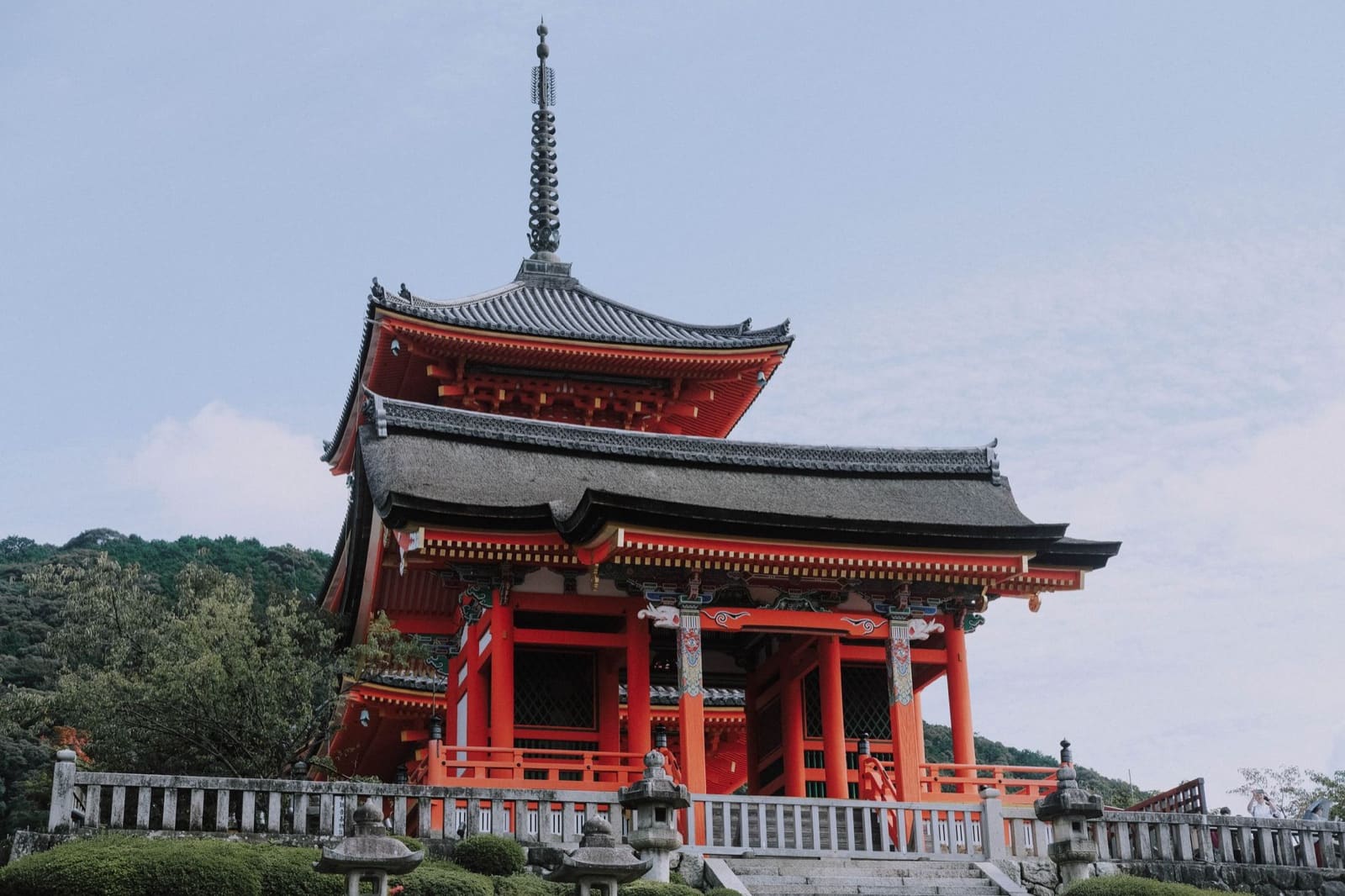
Planning a 2-to-4-day trip to Kyoto requires clustering sights by district to prevent temple fatigue and travel congestion. To do Kyoto right, travelers should base themselves in Kawaramachi or Higashiyama, prioritize early morning temple visits before 08:00, and leave afternoons open for neighborhood walks. Balancing major landmarks with quiet residential lanes creates the ideal pacing for a short city break.
Is Kyoto the right destination for your trip?
Yes if you want: Deep cultural history, world-class historic gardens, stunning autumn or spring foliage, and a slower, reflective pace of travel.
Think twice if: You are seeking a high-energy nightlife hub similar to Tokyo or expect modern, car-friendly street grids.
Typical stay: 3–4 nights is the ideal sweet spot. This allows you to explore the central districts thoroughly while scheduling day trips to Nara or Arashiyama without rushing.
Which Kyoto neighborhoods are best to stay in?
A strategic accommodation choice saves hours of daily transit time. The ultimate transport rule in Kyoto is to walk as much as possible and minimize bus reliance.
| Area | Best for | Trade-off |
|---|---|---|
| Downtown / Kawaramachi | Subway access, dining, and shopping. | Further from quiet historic temple environments. |
| Gion / Higashiyama edge | Traditional machiya atmosphere and immediate walking access to Kiyomizu-dera. | High crowd density; walking bans on private alleys. |
| Near Kyoto Station | Easy shinkansen and Kansai Airport (Haruka) rail links. | Less traditional neighborhood charm directly outside. |
| Arashiyama area | Scenic river vistas and bamboo groves. | Isolated from nightly downtown dining and eastern temples. |
Rule of thumb: Sleep where you will walk at night. A simpler room in the right pocket beats a prettier room that needs a long late transit.
How should you structure your Kyoto itinerary?
An effective Kyoto stay balances a few highly regulated landmarks with unstructured exploration.
- One major morning anchor (06:00–09:00): Arrive at outdoor sights like Fushimi Inari (free, open 24/7) or Kiyomizu-dera (¥400, open from 06:00) before tour groups arrive.
- Lunch and historical lanes: Explore the preserved machiya townhouses of Sannen-zaka or central food alleys like Pontocho.
- One reserved afternoon sight: Visit booking-only locations like the moss-covered grounds of Saiho-ji (¥4,110 online fee included) or the manicured Katsura Imperial Villa (¥1,000).
- Quiet evenings: Many neighborhood temples close by 17:00, shifting focus to early evening dining.
What are the essential transit and tax rules?
Kyoto has modified its municipal rules and pricing structure to combat overtourism. Keep these key details in mind when budgeting:
- The Subway & Bus 1-Day Pass: This pass costs ¥1,100 for adults (¥550 for children). The old ¥700 bus-only pass has been discontinued. Because a single bus ride is ¥230 and a subway trip is ¥220, this pass requires five trips to break even.
- Luggage Rules: Large luggage is officially banned on Kyoto City buses. Travelers must use lockers at Kyoto Station or send bags via hands-free delivery services.
- Accommodation Tax: Kyoto levies a nightly tax per person based on your room rate, revised upward on March 1, 2026:
- Under ¥6,000 per night: ¥200
- ¥6,000 to ¥19,999: ¥400
- ¥20,000 to ¥49,999: ¥1,000
- ¥50,000 to ¥99,999: ¥4,000
- ¥100,000 and above: ¥10,000
- Airport Transfers: The JR Haruka Express links Kansai International Airport (KIX) directly to Kyoto Station in 75 minutes. A standard non-reserved ticket is approximately ¥3,060 (reserved is ¥3,500), while foreign passport holders can purchase a discount one-way ticket for ¥2,200.
- Gion Entry Restrictions: Entering private side alleys in Gion (such as Kosode-Koji) is banned to tourists. Violating the bilingual warning signs carries a fine of up to ¥10,000. Keep strictly to public roads like Hanami-koji and the Shirakawa canal path.
Which seasonal events are coming up in Kyoto?
If you are planning a trip for the upcoming six months, align your itinerary with these traditional dates:
- August 16 (Gozan no Okuribi): Giant character-shaped bonfires are lit across five surrounding mountains to guide ancestral spirits during the Obon festival.
- October 22 (Jidai Matsuri & Kurama Fire Festival): A grand parade of 2,000 people in authentic historical dress marches from the Imperial Palace to Heian Shrine by day, followed by a dramatic torch-lit procession in the mountain village of Kurama by night.
- Late November to Early December (Autumn Foliage): Peak fall colors transform temple grounds. Places like Kiyomizu-dera and Eikan-do offer evening illuminations, requiring separate tickets (usually ¥400 to ¥1,000).
- January 1–3 (Hatsumode): The first shrine visits of the New Year bring crowds to Fushimi Inari-taisha and Yasaka Shrine. Most local restaurants and shops close during these three days.
How to handle temple and hotel bookings
Popular locations fill up months in advance. Book your hotel at least 3 to 6 months ahead for the peak cherry blossom and autumn foliage windows. For Saiho-ji (Moss Temple), you must create an account and reserve online up to two months in advance; the visit requires participating in a Zen sutra-copying (shakyo) ritual before entering the garden. For Katsura Imperial Villa, book on the official Imperial Household Agency website starting on the first day of the month prior to your visit.
Related on Cityleg
- Most beautiful cities — full shortlist
- How to plan a city trip
- Lisbon — our first full cluster (itinerary, hotels, day trips, budget)
Next steps for your trip
- Choose your accommodation base from our neighborhood comparison table.
- Select three key morning anchors instead of overloading your itinerary.
- Compare your Kyoto outline with the structured approach in our Lisbon 3-day itinerary to build a realistic timeline.