Milan city guide — plan a city break that actually fits
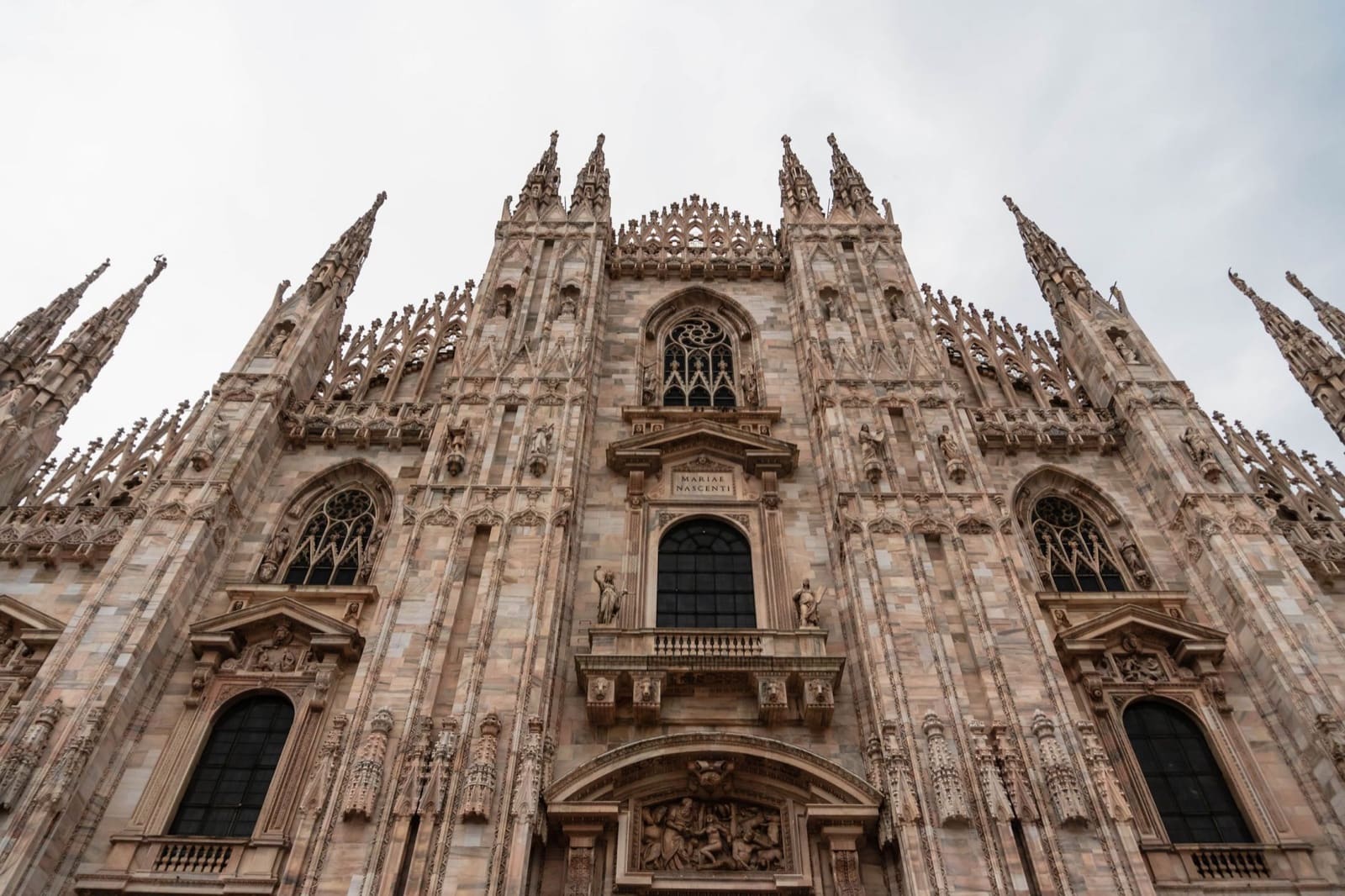
Milan rewards a 2–3 night city break built around two neighborhoods: a compact, walkable historic core, aperitivo evenings in Navigli or Brera, and the northern lakes as a day trip when you stay a fourth night. Book the Duomo rooftop (€19–22) and the Last Supper weeks ahead — both sell out — and skip taxis: the €2.20 ATM ticket and the historic trams cover almost every hop.
Is Milan right for this trip?
Yes if you want: Historic tram routes, vibrant aperitivo culture, high-end design, and distinct neighborhoods that feel like self-contained villages.
Think twice if: You are looking for ancient Roman ruins around every street corner or plan to visit during peak event weeks without booking months in advance.
Typical stay: 2–3 nights minimum for a classic city break; 4 nights if you plan to incorporate a day trip to the northern lakes or historic Bergamo.
Neighborhoods that matter
| Area | Best for | Trade-off |
|---|---|---|
| Centro Storico (Duomo) | Sights on your doorstep, maximum central convenience | Heavily touristed, crowded, premium hotel rates |
| Brera | Galleries, cobbled lanes, romantic dining | Highly popular on weekends, expensive boutique hotels |
| Navigli / Ticinese | Canals, local nightlife, evening aperitivo | Can be very noisy at night, further from central sights |
| Porta Venezia | Green spaces, local shopping, excellent transit | Less historic architectural aesthetic |
| Isola | Modern architecture, street art, quiet residential feel | Requires a short metro ride to reach the historic core |
| Stazione Centrale | High hotel inventory, regional day-trip train connections | Lacks charming neighborhood vibe, busy transit environment |
Rule of thumb: Sleep where you will walk at night. A simpler room in the right pocket beats a prettier room that needs a long late transit.
How to structure the city leg
- One major sight morning (the Duomo terraces or Santa Maria delle Grazie)
- Long lunch or afternoon espresso in Brera
- Tram ride or park reset (like Parco Sempione)
- Evening aperitivo in Navigli or Porta Venezia
Practical tips
- Book timed entry tickets for major landmarks far in advance. Milan Cathedral (Duomo) entry tickets start around 12 to 14 EUR for the interior and museum, while accessing the iconic rooftop terraces costs 19 EUR by stairs or 22 EUR via elevator. Note that the most coveted slot—Leonardo da Vinci’s Last Supper at Santa Maria delle Grazie—often books out months ahead.
- Skip the taxis and use public transit. A single ATM urban zone (Mi1–Mi3) ticket costs 2.20 EUR and is valid for 90 minutes. Alternatively, a 24-hour travel pass is 7.60 EUR and a 3-day pass is 15.50 EUR. You can also simply tap in and out at the metro turnstiles using a contactless card or device.
- Watch the calendar for massive price spikes. During Milan Fashion Week (held in late February and late September) and the Salone del Mobile design fair (April), accommodation prices routinely triple, and central rooms sell out half a year in advance.
Related on Cityleg
- Most beautiful cities — full shortlist
- How to plan a city trip
- Lisbon — our first full cluster (itinerary, hotels, day trips, budget)
Deeper pages for this city (3-day itinerary, hotel shortlist, day trips) will land here as the cluster expands. Until then, use the neighborhood table above as the planning spine.
Next step
- Choose a base area from the table.
- Sketch three half-day anchors (not ten).
- When ready for a full worked example, copy the structure from the Lisbon 3-day itinerary.